Teaching
Courses I teach in Geological Sciences & Engineering at the University of Nevada, Reno, with recent syllabi.
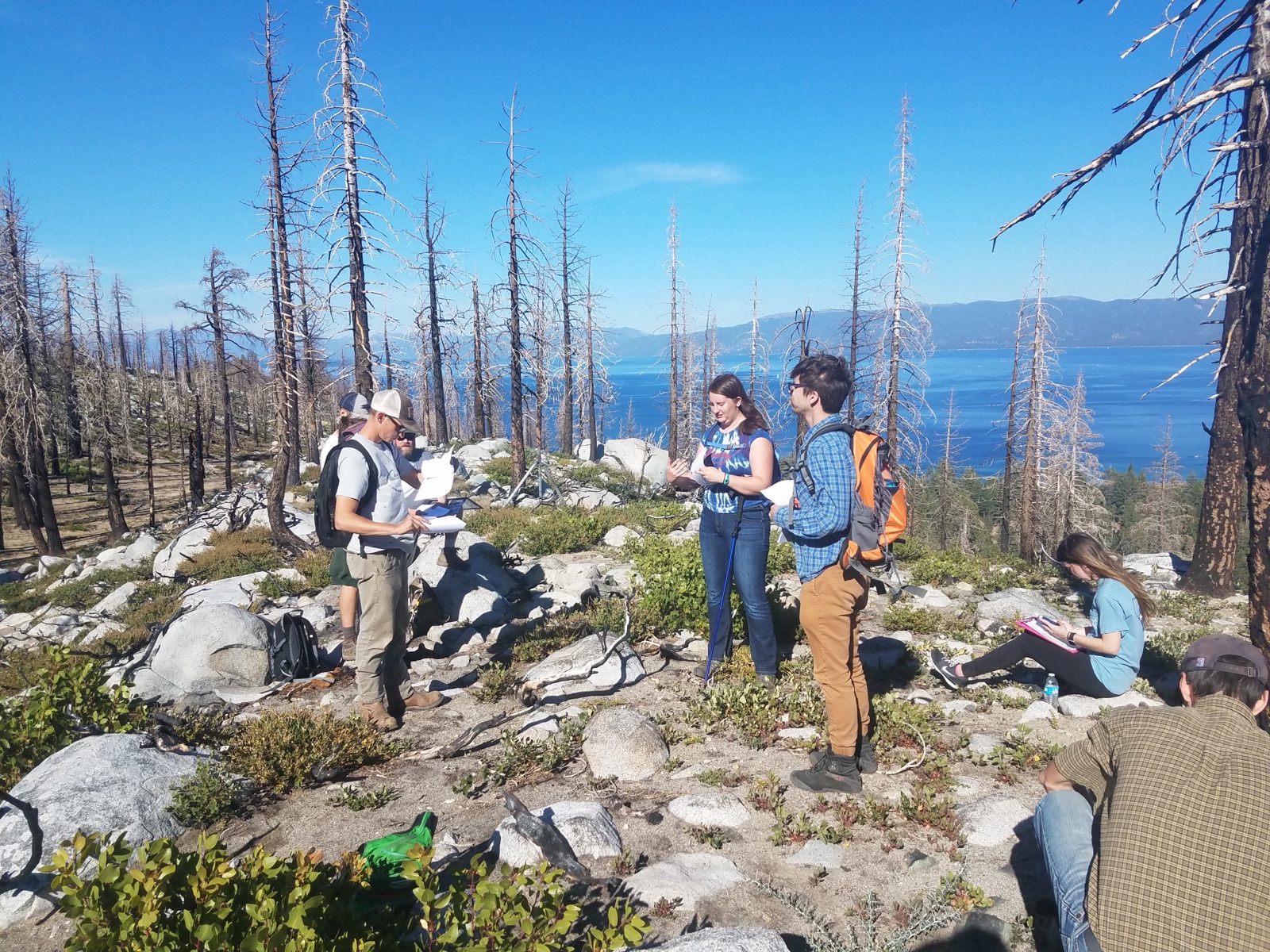
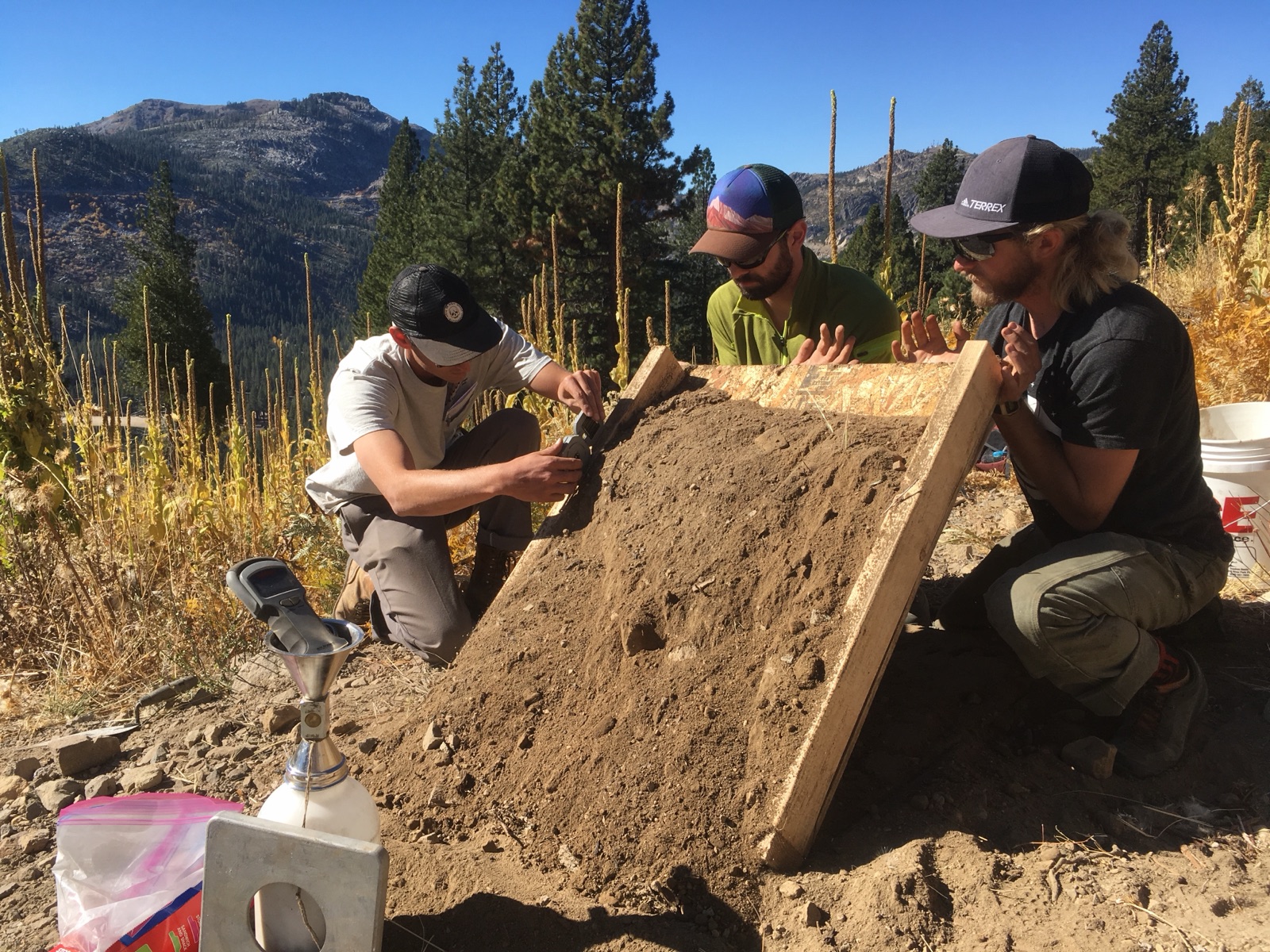
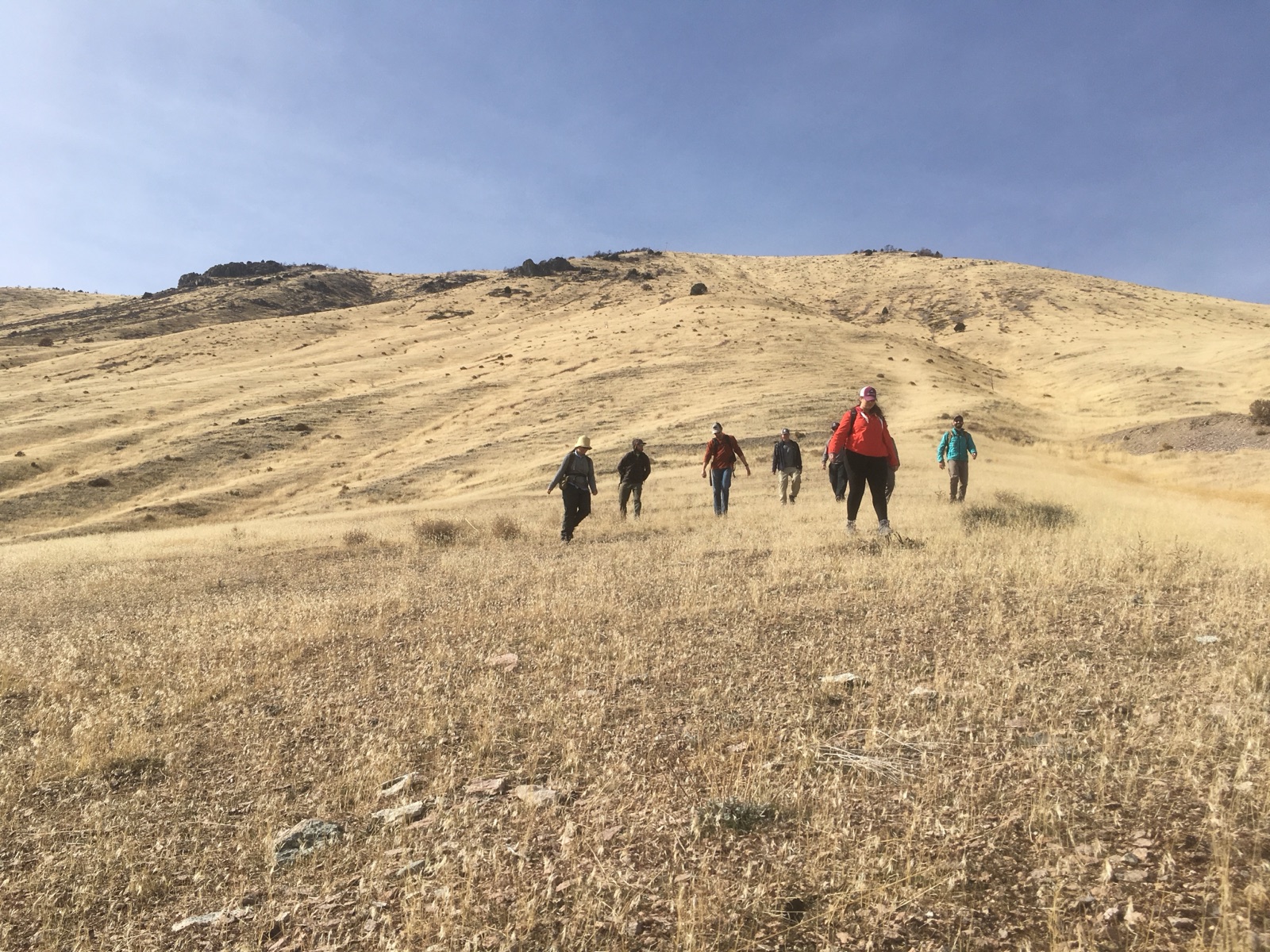
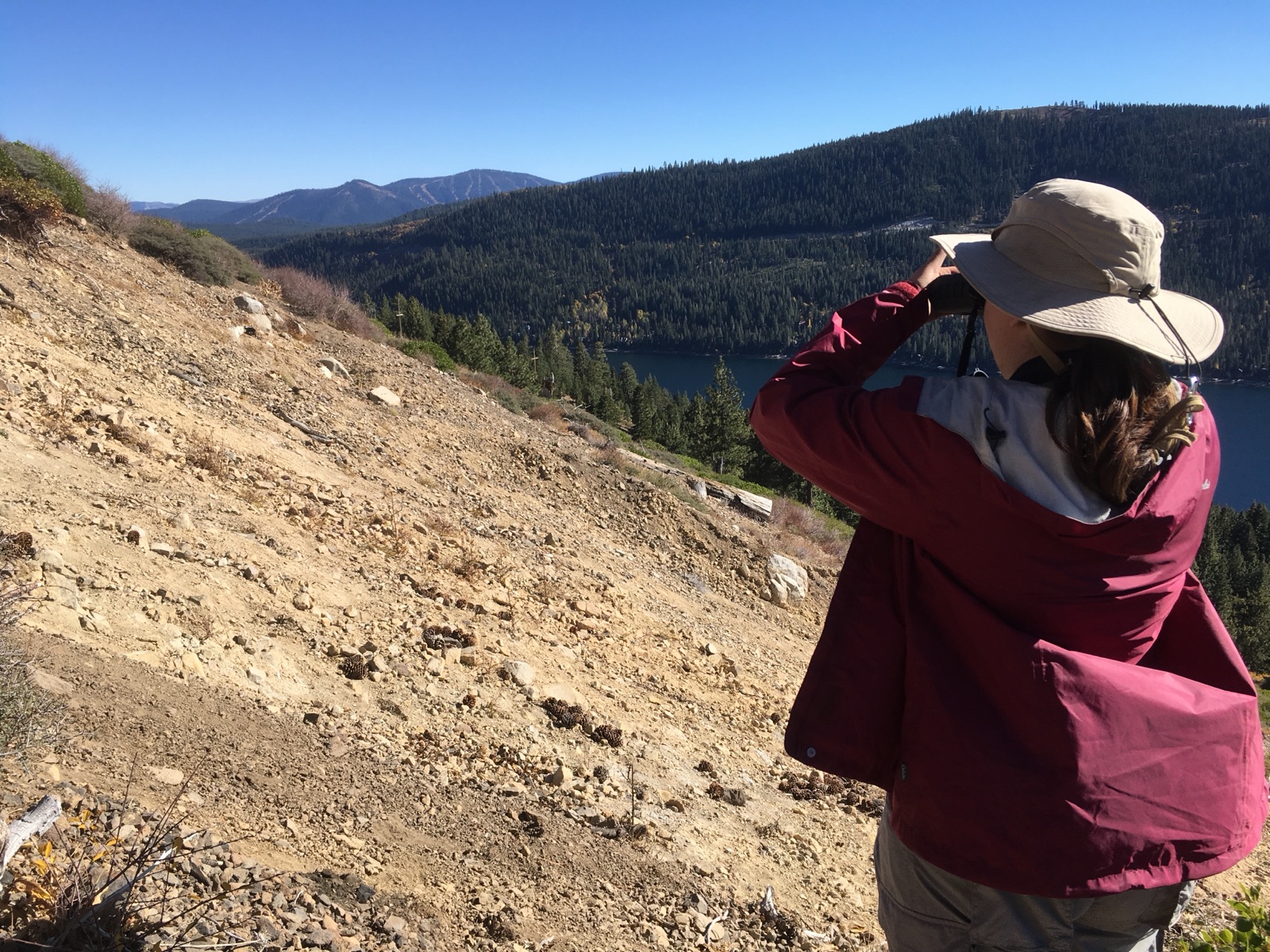
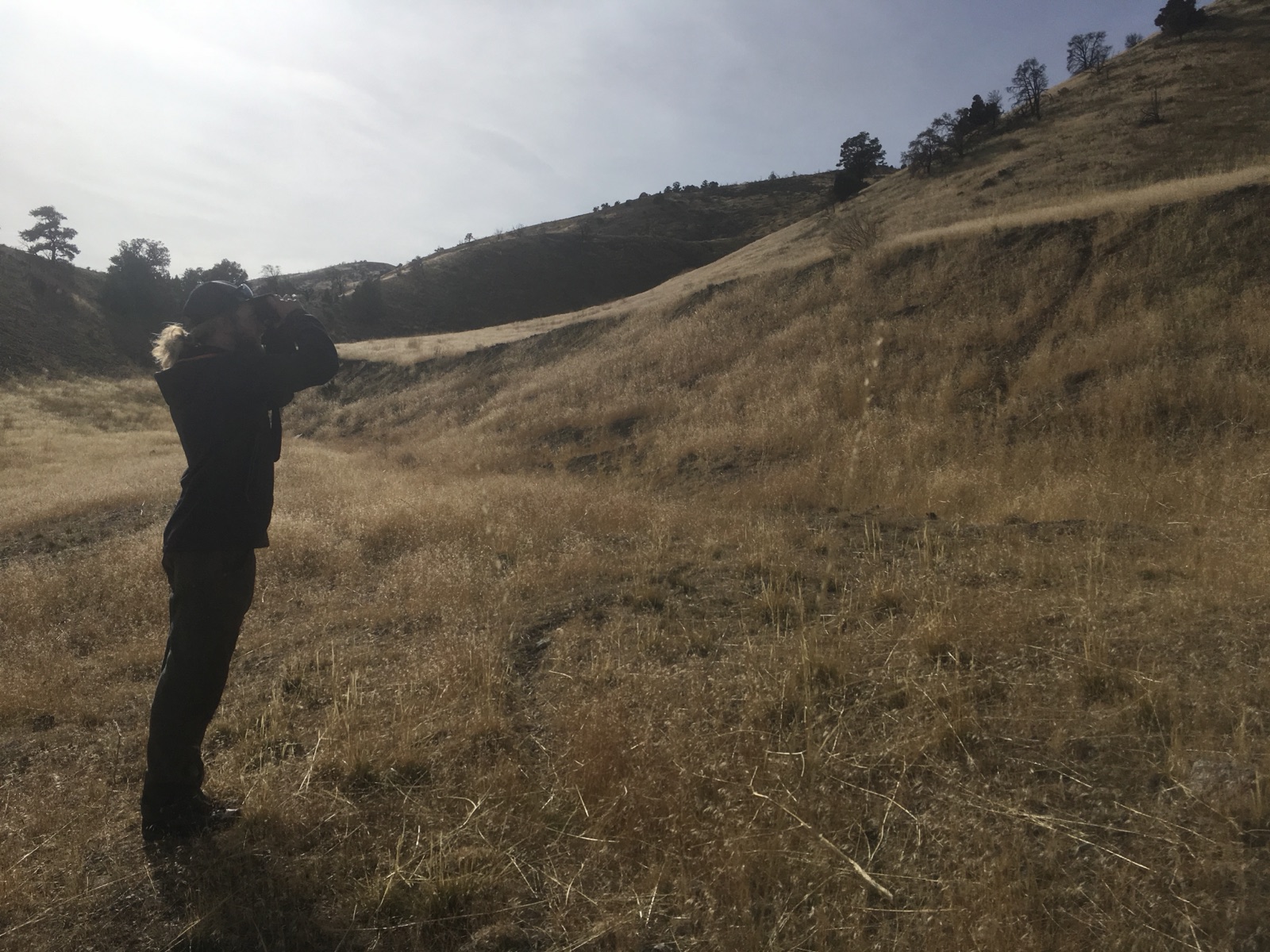
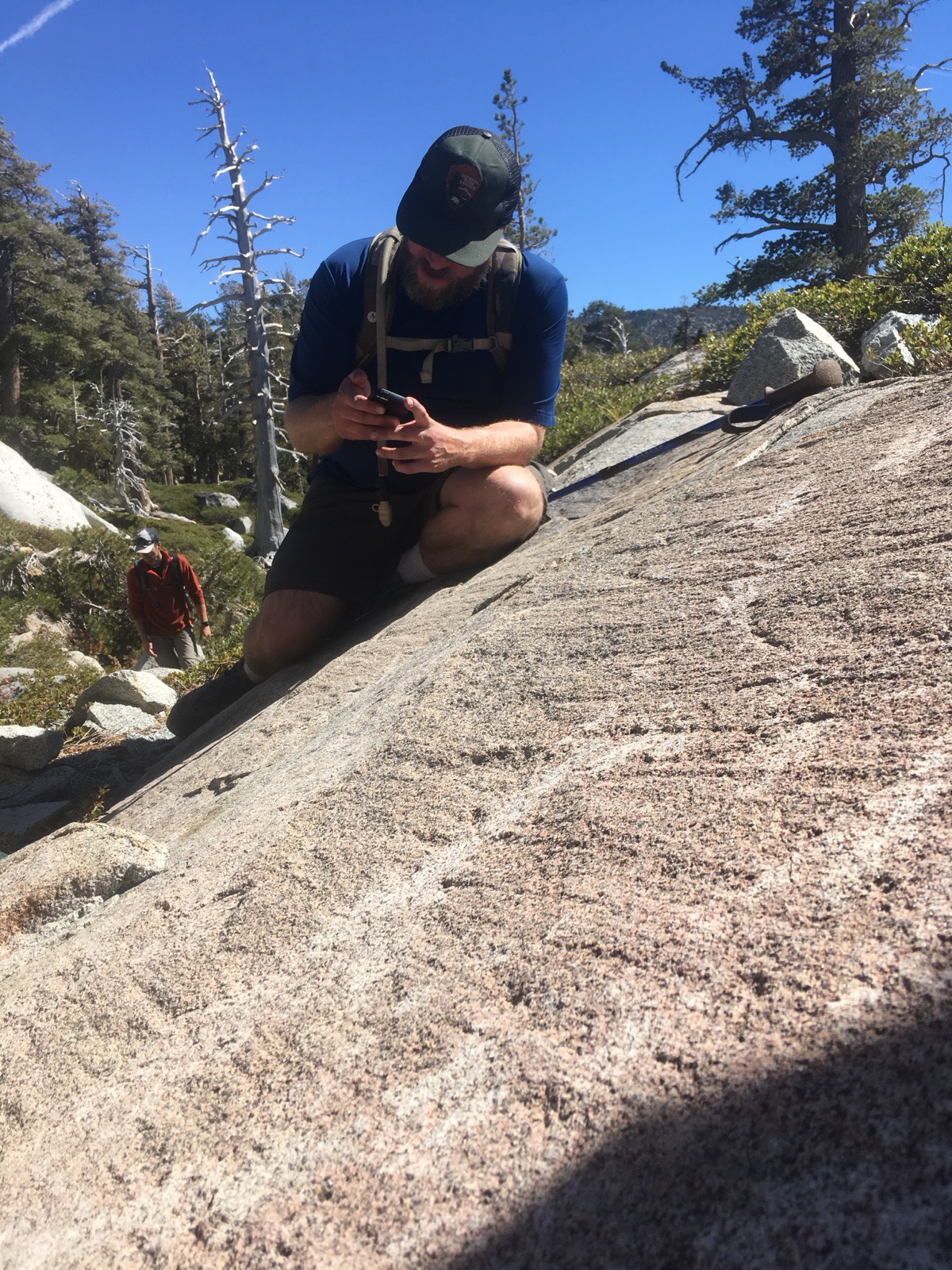
I teach across geological engineering, geomorphology, geomechanics, and quantitative methods. Many of my classes have laboratory components for hands-on engagement with difficult concepts: computer labs in geomechanics, and field labs in geomorphology and field methods, where we take students into the landscape with the tools and techniques of my research group.
In the field
Anticipated teaching
Fall 2026
- GE 106 — Introduction to Geological Engineering
- GE 481/681 — Introduction to Geomechanics
Spring 2027
- GEOL 787 — Numerical Modeling of Processes in Earth Science
Courses
Recent syllabi, from the most recent time I taught each course, are linked below.
-
GE 106 — Introduction to Geological Engineering · syllabus, Fall 2025 (PDF)
An introduction to the breadth of geological engineering and the career paths it opens. The course surveys natural hazards and risk (seismic events, landslides, debris flows, and floods) alongside tunneling, foundations, exploration and mining geology, remote sensing, geophysics, and hazardous waste. It shows how the discipline draws on civil, mining, environmental, geotechnical, and petroleum engineering as well as geology and hydrogeology, building both conceptual understanding and quantitative skill. Formal lectures are paired with select laboratory exercises and a field trip.
-
GEOL 260 — Introductory Field Geology · syllabus, Spring 2020 (PDF)
A hands-on introduction to geologic field mapping, built around a multi-day mapping project at Red Rock Canyon State Park in California. Students learn to locate themselves on a map and use a Brunton compass, tape measure, and Schmidt Hammer to make geologic measurements, describe rocks in the field, and identify and map geologic units. The course also covers constructing cross sections and stratigraphic columns, introductory cartography, and rock mass classification. Working in field teams, students synthesize their data and analysis into a concise geologic map and report.
-
GE 441/641 — Advanced Geomorphology · syllabus, Fall 2025 (PDF)
A quantitative introduction to the processes that shape Earth’s surface and the natural hazards they create. The course examines the major components of continental geomorphic systems, including hillslopes, rivers, and glaciers, combining theory with field observation. A central goal is to understand how tectonics, climate, and life together produce the landscapes we see and the hazards engineers must assess and mitigate. It is designed to be accessible to students from geology, engineering, environmental science, and geography, assuming only proficiency in mechanics and a basic familiarity with calculus and differential equations.
-
GE 481/681 — Introduction to Geomechanics · syllabus, Fall 2024 (PDF)
An introduction to the continuum mechanics used across Earth science and engineering, with topics split evenly among heat conduction, fluid mechanics, and solid mechanics. Working from first principles, students derive solutions for the transport of energy, mass, and momentum in the Earth and at its surface. Applications range from crustal heat flow, shallow geothermal energy, and groundwater flow to river sediment transport, elasticity, rock fracture and failure, and landslide initiation and runout. A mandatory computer laboratory provides a hands-on introduction to programming in Python to solve equations, analyze results, and visualize data.
-
GEOL 701 — Climate and Tectonics of the Sierra Nevada (graduate special topics) · syllabus, Fall 2015 (PDF)
A graduate seminar exploring what we know about the climate, tectonics, and surface processes that together formed the Sierra Nevada and its surrounding terrains. Each week, students read and critically discuss one or two journal articles on some aspect of the range’s evolution. Along the way, they develop the skills to read the scientific literature critically, formulate testable hypotheses about complex Earth systems, and identify important problems worth solving. The course culminates in a short scientific paper and an oral presentation.
-
GEOL 710 — Introduction to the UNR Geoscience Program · syllabus, Fall 2025 (PDF)
An orientation to the Geosciences graduate program at the University of Nevada, Reno, covering program requirements, campus resources, and the benefits available through a graduate assistantship. The course offers practical guidance on succeeding in graduate school, from establishing a healthy work-life balance to conducting literature reviews and planning a safe, productive field season. Its broader aim is to surface the common obstacles geoscience graduate students face and to build community across the incoming cohort. Weekly discussions feature the instructor, fellow students, and other UNR faculty and staff with relevant expertise.
-
GEOL 787 — Numerical Modeling of Processes in Earth Science · syllabus, Spring 2025 (PDF)
A practical, hands-on introduction to numerical modeling, carrying students from problem formulation through programming and interpretation. The course centers on describing environmental processes mathematically and solving those equations numerically to build predictive, quantitative models. Through a series of Python computing assignments, students learn to translate natural systems into mathematics and write code to compute, plot, and interpret numerical solutions. It also weighs when a full numerical solution is warranted against simpler dimensional analysis, and introduces how data-driven machine-learning models complement traditional physical models.